
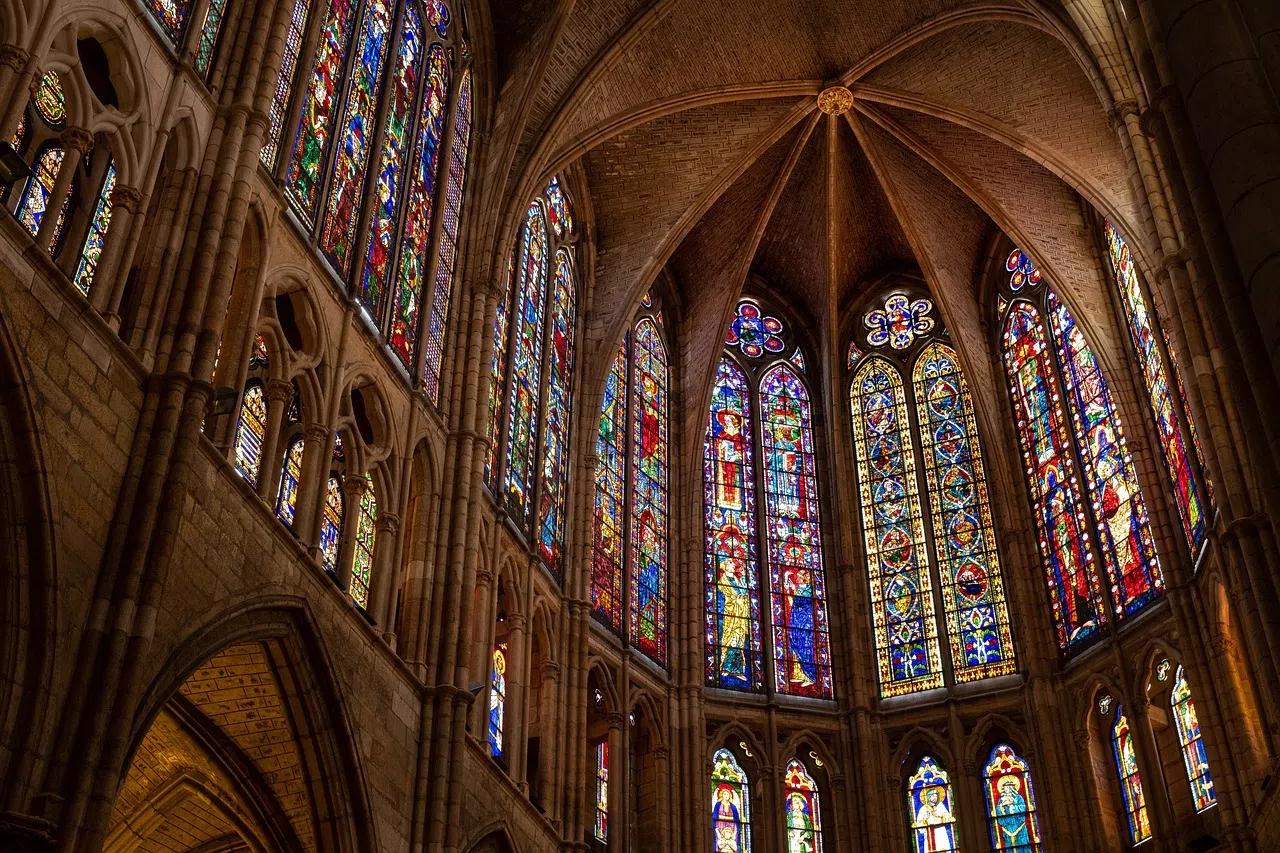
Corner by corner, León.
The province of León, located in the autonomous community of Castilla y León in the northwest of Spain, is a territory with a great historical, cultural, and natural wealth. Covering an area of approximately 15,500 km² and with a population of around 450,000 inhabitants, León combines tradition and modernity in a setting of diverse landscapes that include mountains, valleys, and plains. Its capital, the city of León, is home to iconic monuments such as the Gothic Cathedral of Santa María, famous for its stained glass windows, the Basilica of San Isidoro, which contains the so-called "Pantheon of the Kings" with Romanesque frescoes, and the Casa Botines, a work by Gaudí. CIVITATIS
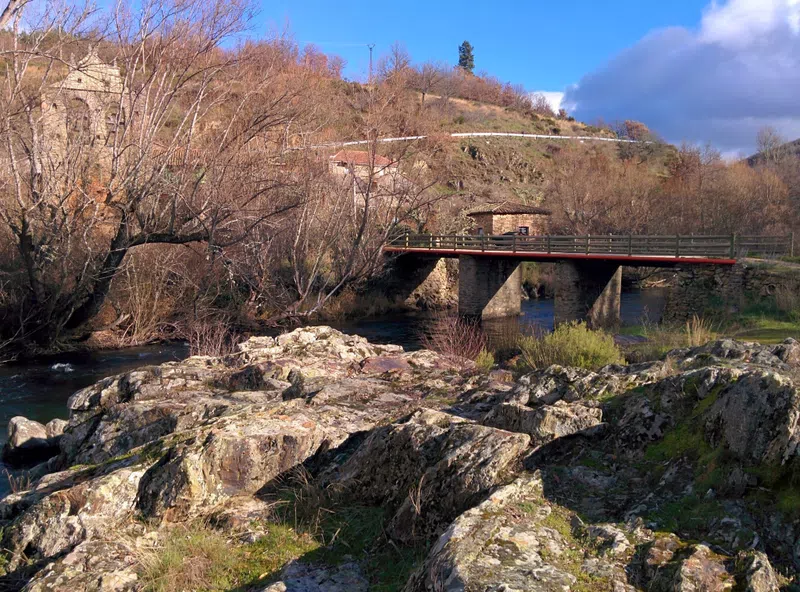
Valle de Omaña, the air of León.
The Omaña Valley is located in the province of León, in the northwest of Castilla y León (Spain), and is part of the "Valles de Omaña y Luna" Biosphere Reserve, declared by UNESCO. It is a historic mountain region, integrated into the Cantabrian Mountains and the Montes de León, characterized by its natural environment shaped by the Omaña River, which gives the region its name. It is part of the transition between the Eurosiberian and Mediterranean climates, which grants it great biological diversity. Notable are its wooded areas such as birch and juniper forests, and extensive high mountain meadows (brañas) dedicated to grazing. It is home to endangered wildlife species such as the brown bear and the Cantabrian capercaillie, as well as wolves and golden eagles.
Human Geography and Culture: The populations are small and scattered, with rich traditional stone architecture. The traditional capital of the region is Murias de Paredes. Other municipalities that are part of it include Riello, Soto y Amío, and Valdesamario. Its history is linked to transhumance and Roman mining (routes and remains). Festivals and pilgrimages with a strong traditional character are celebrated, such as the Shepherd's Festival or the Pandorado Pilgrimage. A visit to the town of Valbueno de Omaña is essential due to its high location and for having 1 inhabitant (in 2025).
Human Geography and Culture: The populations are small and scattered, with rich traditional stone architecture. The traditional capital of the region is Murias de Paredes. Other municipalities that are part of it include Riello, Soto y Amío, and Valdesamario. Its history is linked to transhumance and Roman mining (routes and remains). Festivals and pilgrimages with a strong traditional character are celebrated, such as the Shepherd's Festival or the Pandorado Pilgrimage. A visit to the town of Valbueno de Omaña is essential due to its high location and for having 1 inhabitant (in 2025).